

The South West Australia Wineries zone is the other big player next to Greater Perth.
Featuring some of the most highly renowned wine regions that Western Australia has to offer, there is plenty to see, taste and bask in when you take a trip down south. Such notable regions include the Margaret River, Blackwood Valley and Geographe areas, famous across Australia to their exemplary wineries and vineyards.
Hugged by the coast of the south-western shores, wines are so frequently made here due to the cooling airs of the surrounding ocean. This creates an ideal soil and climate for many wine varieties. Not only this, but the weather makes for an exceptional day out, with lush, green scenery and gorgeous sun to bask in as you taste what the zone has to offer.
Be sure to add the South West Australia Wineries area to the list for all those wine enthusiasts!
MARGARET RIVER
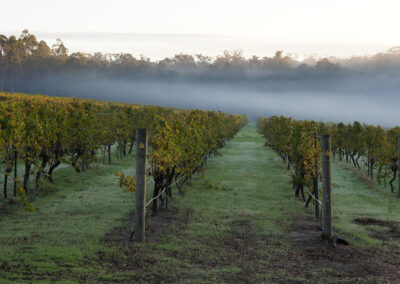
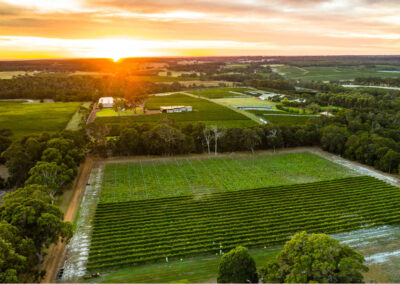
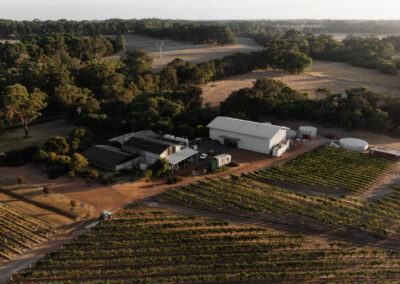
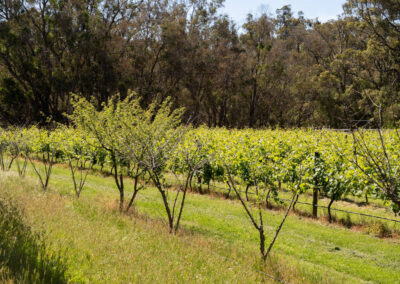
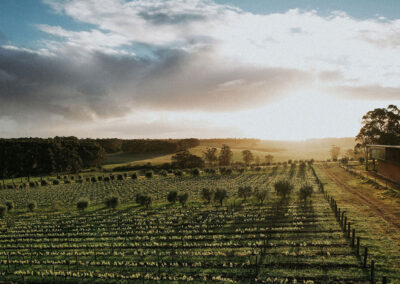
Margaret River is one of the Earth’s most pristine, geographically secluded, coastal wine regions. This breathtaking destination of ancient landforms, lush forests and distinct Ironstone gravel soils enjoys a ‘textbook perfect’ climate for fine wines, with its consistent Mediterranean climate and intense maritime influence – here, the Indian and Southern Oceans meet.
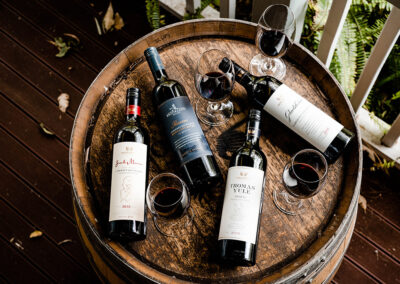
Scarce and sought-after worldwide, Margaret River wines represent only two per cent of the Australian annual crush. The elegant and powerful cabernet sauvignon and chardonnay expressions are most noteworthy and can be grown with a ‘light touch’ approach, as the grapes typically ripen with superb balance, refinement and structure. Artisan and family-owned producers dominate, and their preference for handcrafted winemaking and respectful creativity shines through.
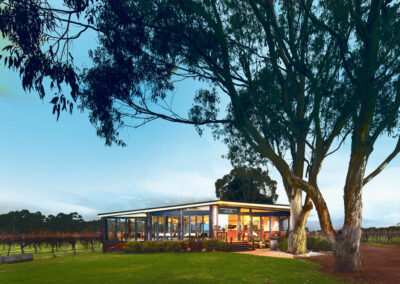
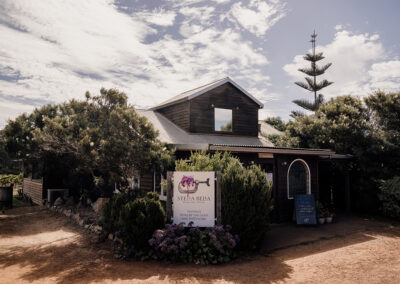
A world-renowned wine destination, the region’s 100 cellar doors, gourmet culinary experiences, stunning nature and spirited arts scene attracts over 1.5 million overnight visitors per year.












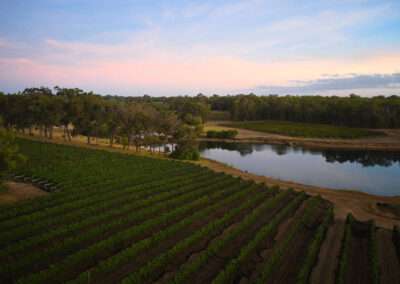


MOUNT BARKER
Mount Barker is roughly around a three-and-a-half-hour drive from Perth, or thirty minutes north of Albany. The Mount Barker sub-region is one of the five sub-regions of the Great Southern Wine Region, which also includes the Porongurups, Frankland River, Denmark and Albany. It’s a great place to make camp and explore the five-wine producing sub-regions with its central location: effectively the heart of the region!
Mount Barker is not only the senior sub-region of the Great Southern but was the first to be declared in Australia. If this were not enough, it was also here that the first vines in the Great Southern region were planted. It is large-scale, gently undulating, largely open grazing country, with widely scattered vineyards separated by large distances, but there is a feeling of ‘oneness’ akin to that of a micro-terroir of France, a hundredth of the size of Mount Barker.
Mount Barker is generally regarded as the most important sub-regions of the Great Southern. Average ripening period sunshine hours at Mount Barker together with the whole season measure of sunshine hours are nearly identical with those of Bordeaux. Situated in the middle of Great Southern, with strong continental aspects
together with marri soils and lateritic gravely and sandy loams provided from the granite rock backdrop, the region is suited to several different varieties but specialises in riesling, shiraz, cabernet sauvignon and pinot noir.
MOUNT BARKER
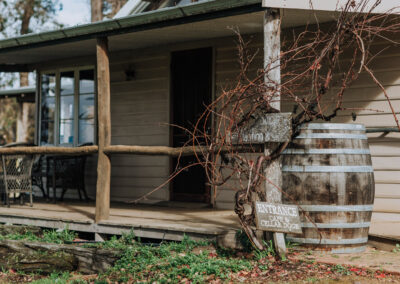
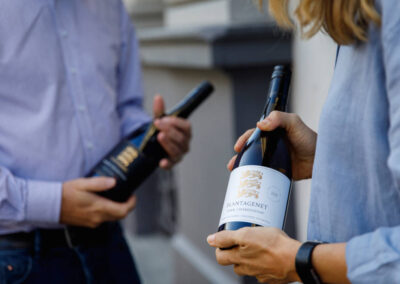
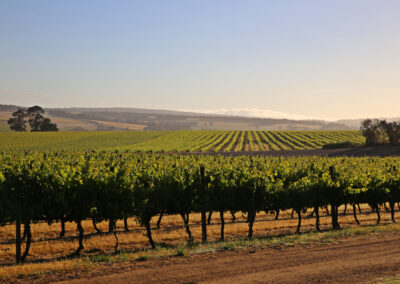
ALBANY
An important sub-region of the Great Southern, Albany is arguably Western Australia’s most southernly wine district directly on the South Coast with the cleanest wind derived from the Southern Ocean.
Albany is a world-registered winegrowing GI region and has been able to achieve this recognition by having a unique climate and growing environment for growing speciality grapes such as sauvignon blanc, chardonnay and lighter reds such as the cool climate red of pinot noir. Warmer sections of Albany also grow riesling and shiraz in pockets, and Albany’s climate has been noted as a very similar climate as the famous Burgundy region in France. Our season is defined by a mild and wet winter, mild damp spring conditions and now dry summers of moderate temperatures’ with only a few days above thirty degrees experienced over the summer periods. The famous “Albany Doctor” sea breeze arrives daily at 1pm, subsequently cooling down the vines and fruit zone which is extremely important as this slows the ripening period and thus increasing flavours and colour, all with a high humidity of around eight-five per cent in vineyards which also has a significant effect on end quality.

